A bad transfer window can ignite the same question across the Barça fan base: who is actually making these decisions? The answer behind Barcelona ownership is more unusual than at almost any European giant. FC Barcelona does not belong to a billionaire, a state fund, or a group of shareholders. It belongs to its members – the socis.
That fact is more than a line in a club anthem. It shapes presidential elections, financial debates, stadium projects, and the pressure placed on every board that walks through the doors at Camp Nou. Barça is a sporting institution with a global commercial footprint, but its core ownership model remains tied to the supporters who formally make up the club.
Barcelona ownership is built around the socis
FC Barcelona is a member-owned, nonprofit sporting association. A socio pays membership dues and, subject to the club’s rules, gains the right to take part in its democratic structure. The most visible power is the ability to vote in presidential elections.
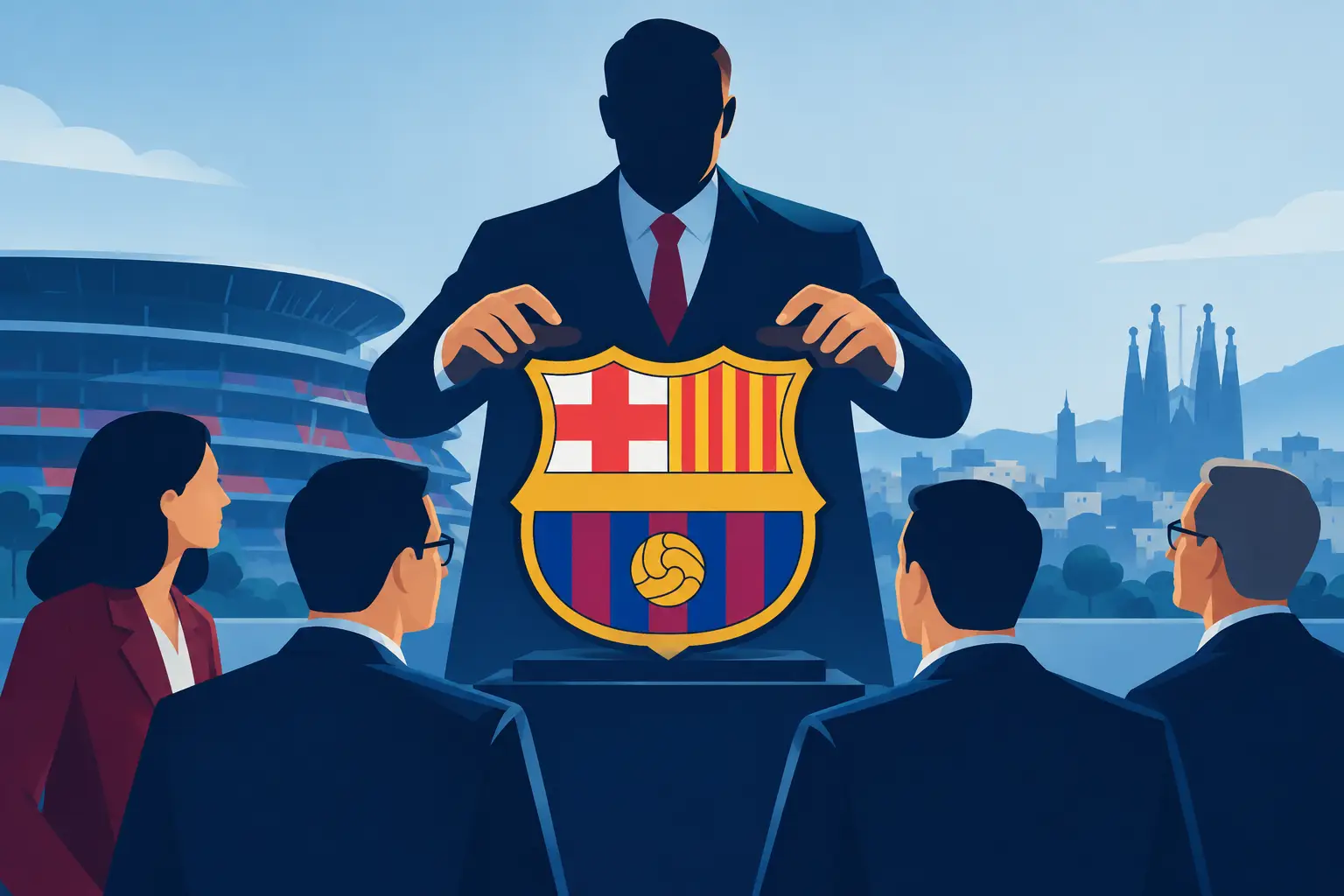
Unlike clubs where an owner can appoint a chief executive, sell the team, or change the club’s strategic direction from a boardroom, Barça presidents must win a mandate from the membership. The president then leads a board of directors, but that board is meant to serve the club rather than private investors seeking dividends.
That distinction matters. There are no publicly traded FC Barcelona shares to buy. No individual can simply purchase a controlling stake. A wealthy supporter may sponsor the club, enter a commercial partnership, or influence the conversation around a project, but money alone does not hand them the keys to Barça.
The socio model puts FC Barcelona in a small, historically significant group within Spanish football. Real Madrid, Athletic Club, and Osasuna also retained member ownership when many other Spanish clubs became public limited sports companies in the early 1990s. The structure is rare at the very top of modern football, where ownership has increasingly become a contest between private capital, sovereign wealth, and multi-club networks.
What members can actually control
Calling Barça fan-owned is accurate, but it needs context. Not every member votes on every contract, lineup decision, or transfer operation. Day-to-day authority sits with the elected president, directors, executives, and sporting leadership.
Members elect the president and board in elections. They also have representation through the General Assembly of Delegates, a body that considers major institutional matters such as accounts, budgets, statutes, and certain strategic decisions. It is an important check on the board, even if it is not the same as every socio gathering weekly to approve club business.
This is the key trade-off in Barcelona ownership. The model gives supporters a route to remove leadership that loses trust, but it can also produce politics, campaigns built on grand promises, and intense pressure for immediate success. A president is judged on trophies, signings, finances, communication, and whether the club still feels like Barça.
For supporters, that can be both empowering and frustrating. A disappointing sporting decision is not always reversible through a vote. By the time an election arrives, a manager may have gone, a player may have been sold, or a costly decision may already be locked into the club’s financial picture.
The president is powerful, but not the owner
The club president is often treated internationally as if they own Barcelona. They do not.
Joan Laporta, for example, leads the institution because he was elected by members, not because he bought it. The same principle applied to presidents from Josep Lluís Núñez to Joan Gaspart, Sandro Rosell, Josep Maria Bartomeu, and others. Each presidency has had its own vision, controversies, sporting priorities, and relationship with the fan base. None transformed the club into personal property.
Presidents do wield substantial influence. They appoint key figures, set the board’s direction, negotiate major agreements, and carry the political responsibility for the sporting project. A presidential election can therefore feel like a referendum on everything from the first team’s transfer strategy to La Masia investment and the future of the stadium.
Why Barça has not become a private club
The obvious question is whether a private owner could solve Barcelona’s financial problems. A billionaire might bring fresh capital quickly. A state-backed ownership group could offer spending power that few clubs can match. But that would come at a profound institutional cost.
The club’s member-owned identity is connected to its Catalan roots and its famous idea of being “more than a club.” Barça has long represented more than results on a Saturday or Sunday. It carries cultural, civic, and sporting meaning for supporters in Barcelona and across the world. The socios are not just customers in that story. They are the legal foundation of the institution.
That does not mean the model automatically produces perfect governance. Barça’s modern financial challenges show that member ownership is not a shield against poor planning, expensive contracts, transfer mistakes, or debt. Democratic clubs can still make decisions that burden future boards.
But the alternative is not automatically cleaner. Private ownership can offer speed and capital while concentrating power in one person or entity. If that owner changes priorities, sells, or folds the club into a wider football portfolio, supporters may have little formal say. Barcelona’s model protects against that particular risk by making the club fundamentally difficult to buy.
Commercial deals do not change who owns FC Barcelona
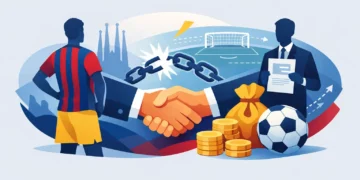
This is where the debate can become confusing. Barça has entered major commercial agreements and explored ways to monetize parts of its business, including audiovisual, digital, licensing, and stadium-related revenue. Those moves can create legitimate concern among supporters, especially when they involve future income or strategic assets.
Yet a commercial partnership is not the same thing as selling FC Barcelona itself.
The club can sell a share of a business venture, negotiate a sponsorship agreement, or use future revenue to support financing without handing over the social ownership of the parent club. The details matter enormously, however. A deal that offers short-term financial relief may limit flexibility years later. That is why fans should look beyond the headline fee and ask what revenue is being committed, for how long, and under what conditions.
Espai Barça illustrates the scale of those questions. Redeveloping the stadium and surrounding facilities is about protecting Barça’s ability to compete economically for decades. It also requires major financing and carries execution risk. Supporters can reasonably see the project as necessary while still demanding transparency on cost, repayment, and the impact on the club’s future budgets.
The ownership model affects football decisions
At a privately owned club, a sporting director may work mainly under an owner with a defined investment strategy. At Barça, sporting planning sits inside a larger political environment. Every high-profile renewal, veteran exit, academy promotion, or marquee signing can become evidence in a wider argument about the board’s stewardship.
That raises the stakes around La Masia. Promoting a young player is not merely an economical squad-building decision. It speaks directly to Barça’s identity and to what members expect their club to be. The emergence of talents such as Lamine Yamal, Pau Cubarsí, Gavi, and Alejandro Balde has reinforced why academy pathways carry emotional weight beyond their market value.
The same applies across the wider club. Barça Femení‘s excellence, the legacy of Barça Basket, and the preservation of youth teams all form part of the institutional promise members are asked to protect. A board cannot credibly speak only about the men’s first team while neglecting the ecosystem that gives FC Barcelona its depth.
Can a non-member have a voice?
Absolutely, even without a formal vote. Most of Barça’s global support lives outside Catalonia, and the club’s identity would be far smaller without international fans. They buy shirts, fill stadiums on tour, follow every transfer update, support the women’s team, and create the global audience that makes Barcelona one of football’s biggest names.
But legal control remains with the socios. For international supporters, influence is usually cultural rather than constitutional: joining supporter groups, engaging in the club conversation, supporting its teams, and holding leaders accountable through informed scrutiny. That may feel limited, but it is also what separates fandom from formal membership.
The most useful way to view Barcelona ownership is not as a romantic relic or a guaranteed answer to modern football’s problems. It is a living structure that requires informed members, transparent leadership, and supporters willing to care about more than the next signing. Barça will always need revenue to compete. The real test is whether it can chase that revenue without forgetting who the club is meant to belong to.

Discover more from Barça Buzz
Subscribe to get the latest posts sent to your email.